
Problem / context
Why it exists
Web3 scam guides often use separate labels, even when the same campaign combines impersonation, fake websites, malicious approvals and wallet drainers.
Research
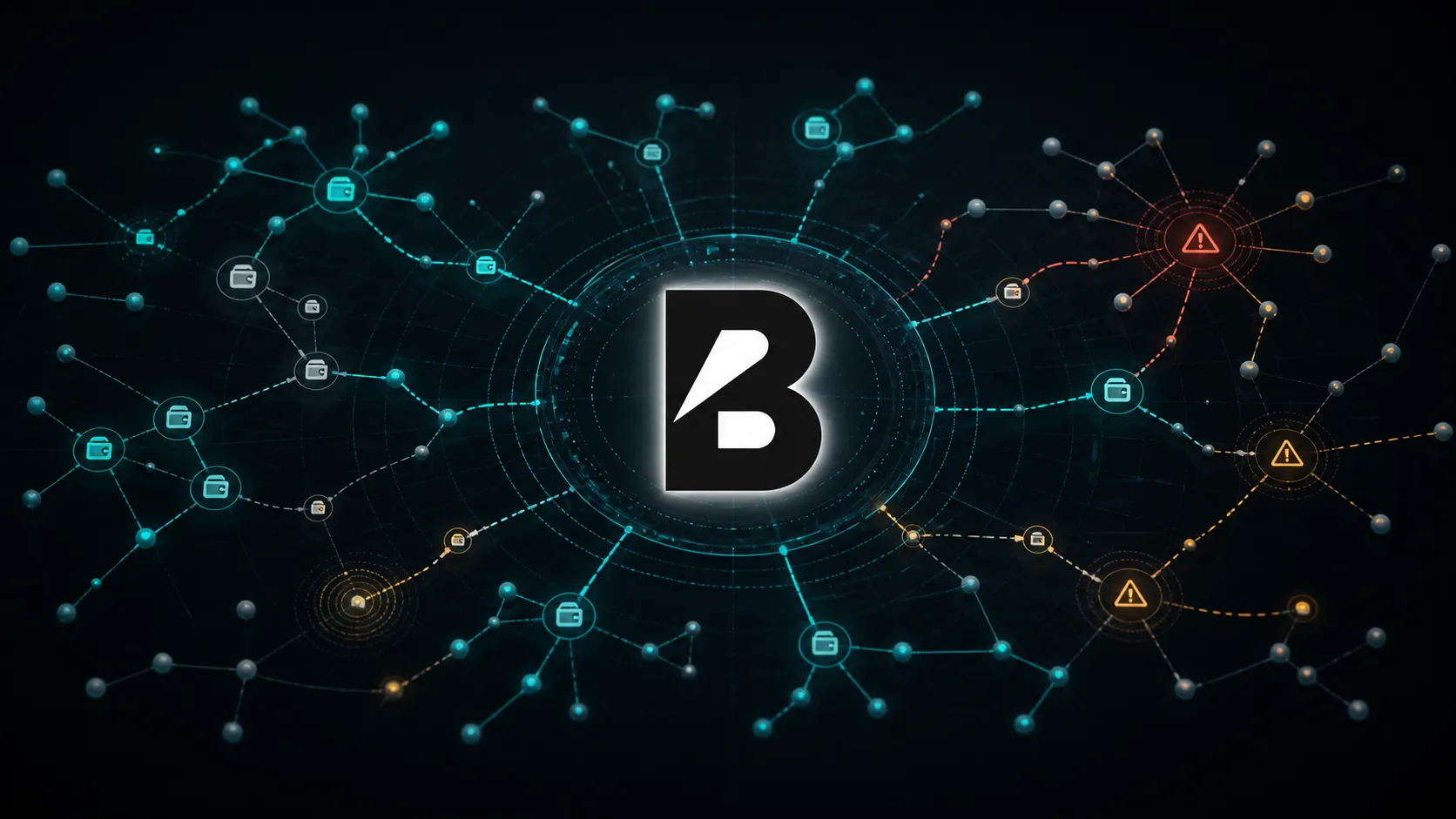
A planned graph of Web3 scam types, warning signs and connections.
Overview
Problem / context
Web3 scam guides often use separate labels, even when the same campaign combines impersonation, fake websites, malicious approvals and wallet drainers.
What is planned
The plan is a small graph model that connects scam types, entry points, on-chain behavior and warning signs.
Current state
Planned concept. There is no public atlas, detection tool or reviewed dataset yet.
Most scam lists treat every label as a separate thing. In practice, one scheme can start with an impersonated account, lead to a fake airdrop page and end with a malicious wallet approval.
Badasya Atlas should make those relationships easier to see. The goal is a research map, not an address blacklist and not an automatic scam detector.
Capabilities
Implementation
Next
Feedback
Send a note with what you found or what you think I should try next.